






Carrier-grade SMS for your business
What makes didlogic SMS different?


From setup to scale in three steps
Everything you Need. Nothing you don't.
SMS infrastructure that respects your intelligence
Industries we empower


Our clients






































About didlogic

Frequently Asked Questions
Can I enable SMS on my existing didlogic DIDs?
Yes. If you are on a Plus account or higher, SMS can be enabled directly from your DID settings by toggling “Enable SMS = ON.”
No new vendor, no additional SIP trunk configuration, and no separate billing account is required. Voice and SMS operate within the same infrastructure and portal.
For large deployments, SMS can be activated in bulk via API.
What's required to start sending SMS?
Three things: (1) Upgrade to Plus plan or have staff enable API access with “Hide SMS = OFF”, (2) Enable SMS on at least one DID and set your inbound relay URL, (3) Integrate our API or use the web portal. Most customers go from signup to first message in under 10 minutes.
Do you support both inbound and outbound SMS?
Yes. Outbound SMS uses our direct MNO connections with destination-based pricing. Inbound SMS delivers to your HTTP endpoint with sender number, recipient number, message text, and timestamp. Both are managed through the same DID configuration.
What regions and carriers do you support?
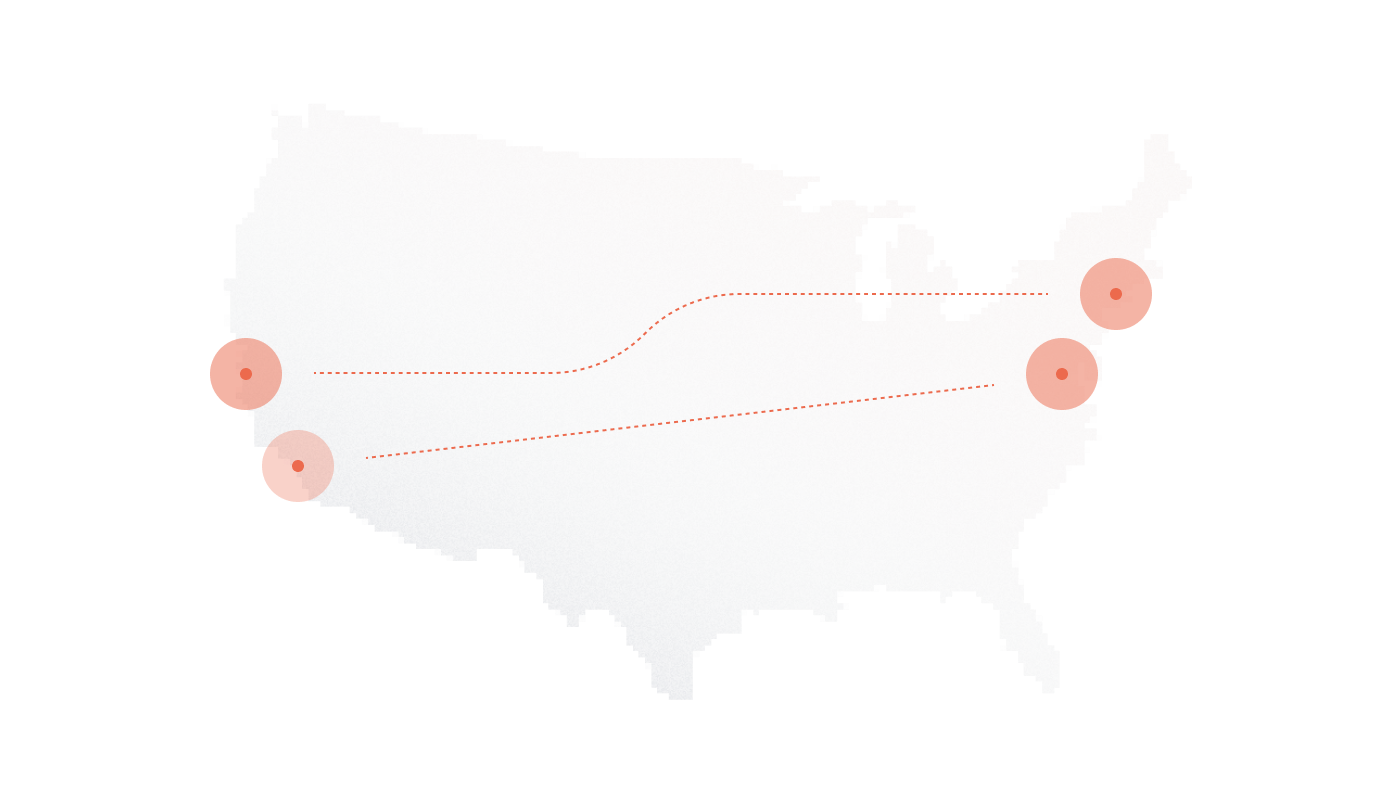
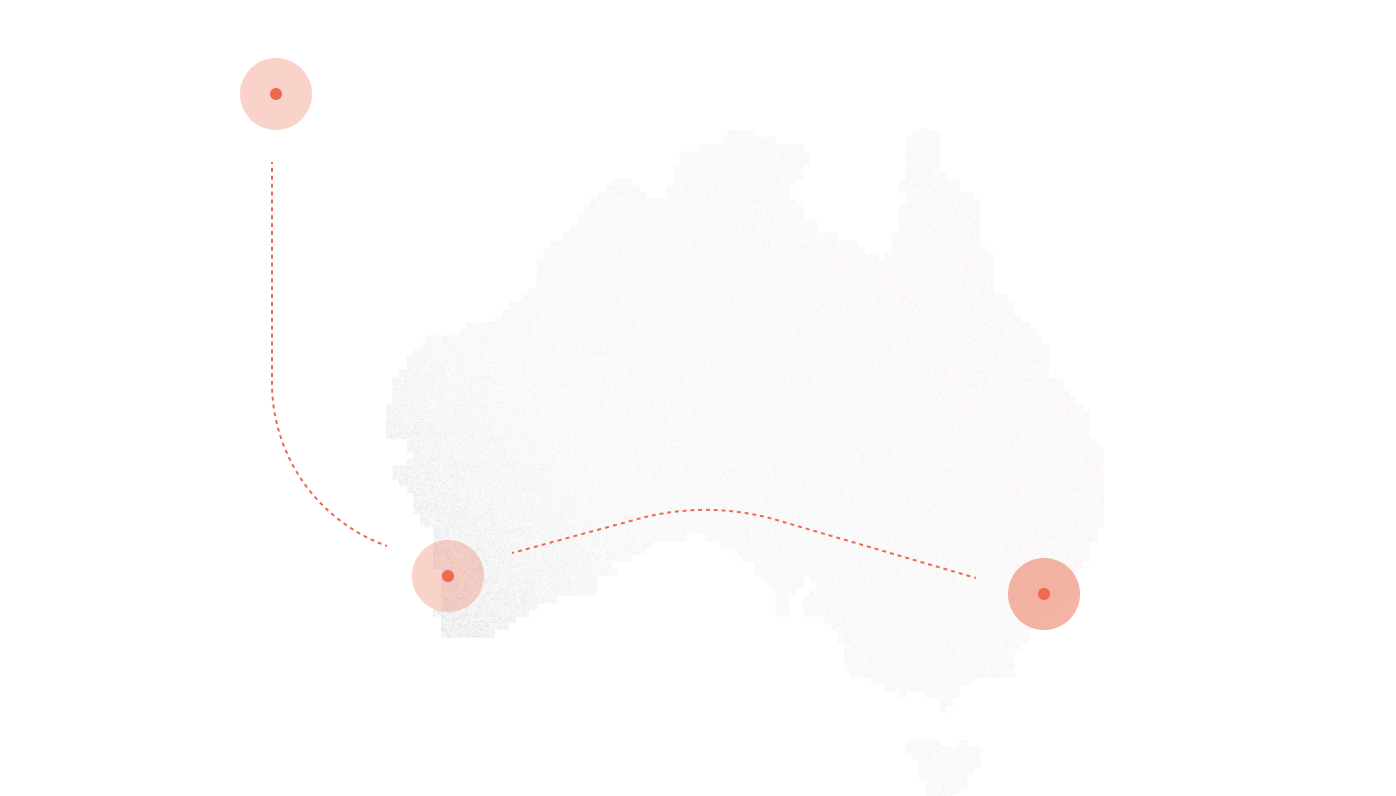
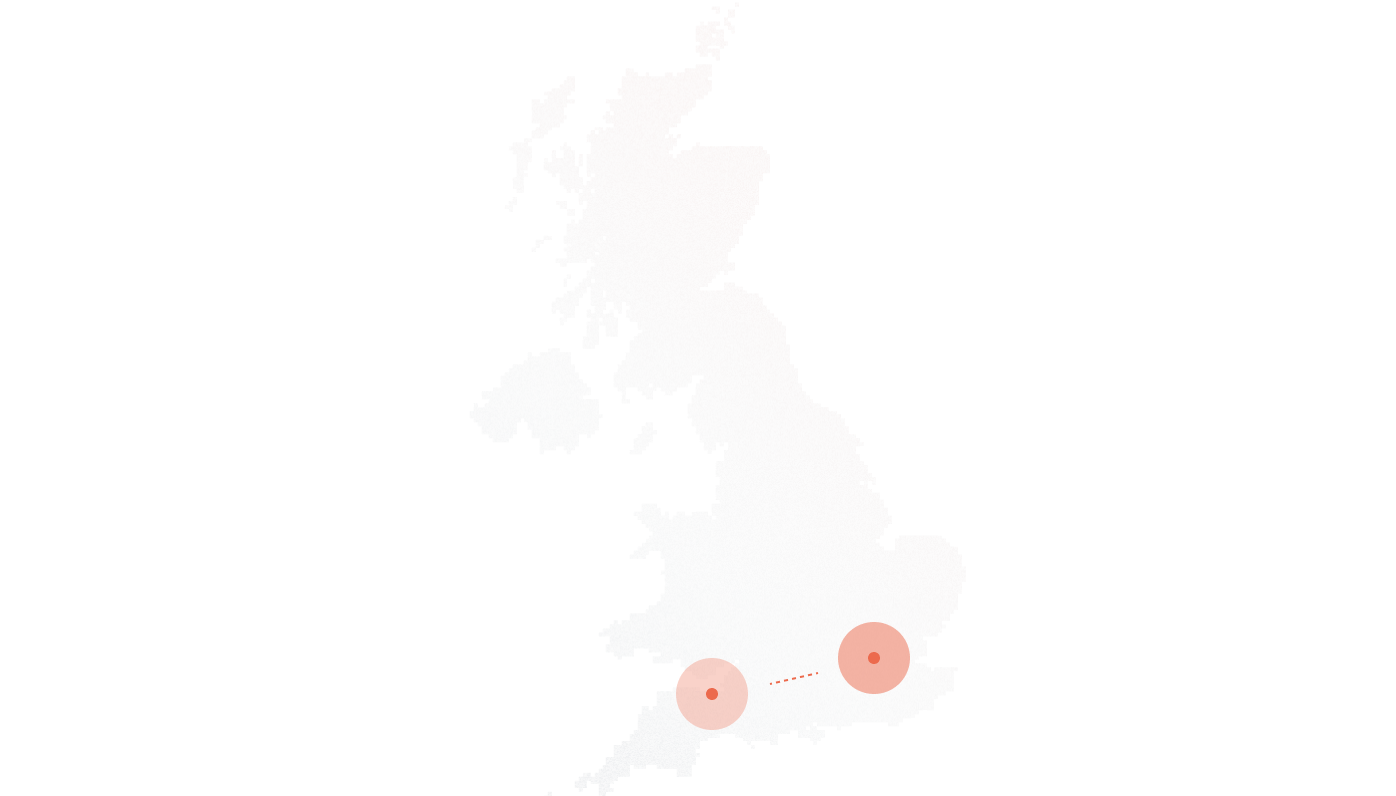
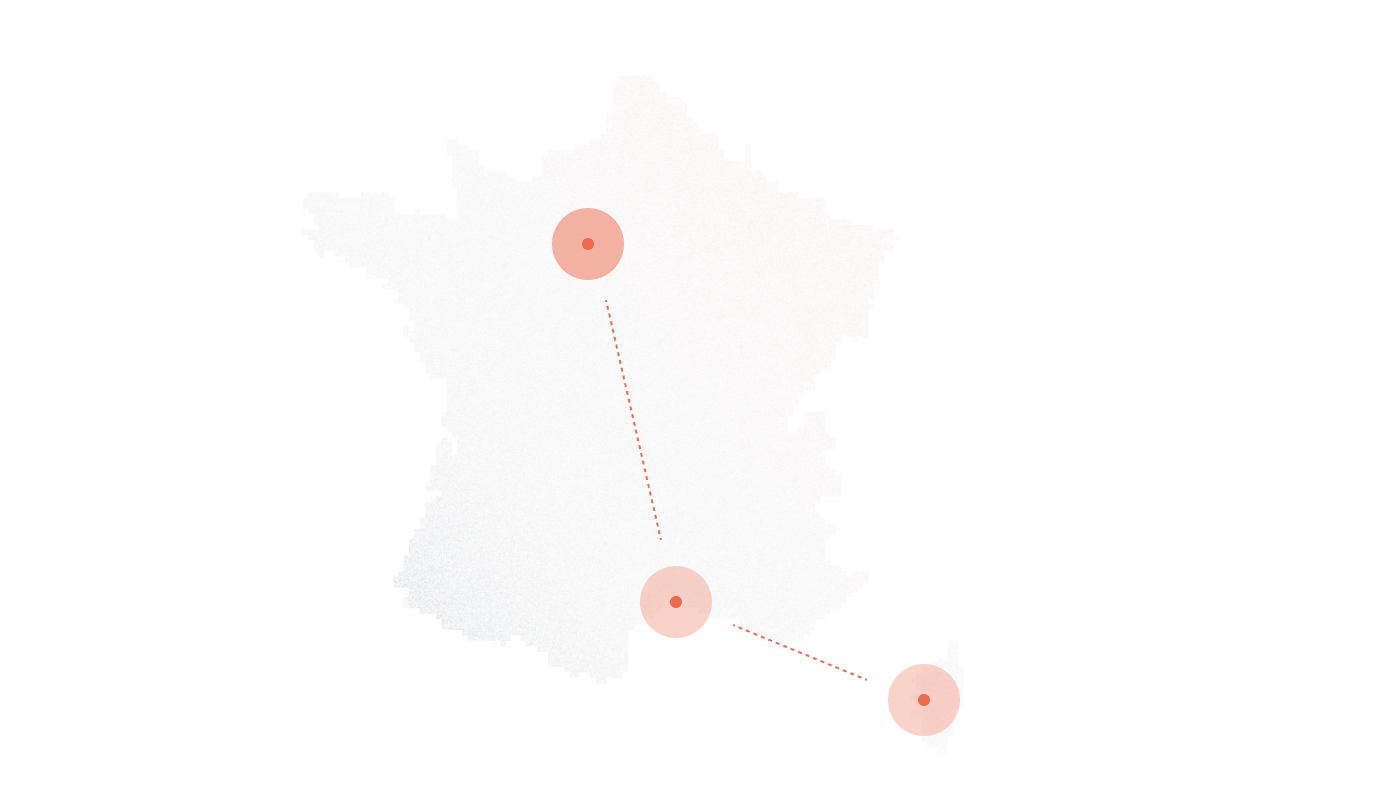
We maintain 12 Points of Presence globally with SMS coverage across 9 jurisdictions: Australia, Brazil, Canada, Finland, France, Mexico, Netherlands, UK, and USA. Each region has direct carrier partnerships—not reseller agreements—ensuring reliable delivery and local compliance expertise.
How does your SMS infrastructure differ from CPaaS platforms?
didlogic operates its own Autonomous System with direct carrier peering. We’re not a software layer on top of aggregated SMS – we own the network infrastructure. This means lower latency, higher deliverability, and no middleman markup. If you value carrier-grade reliability over platform features, that’s the difference.
Does didlogic use SMS aggregators or direct carrier connections?
didlogic routes SMS through direct carrier interconnections, not public aggregators.
This matters because:
-
Direct routing improves delivery rates
-
Latency is lower
-
Fewer hops reduce filtering risks
-
Carrier error codes are more transparent
-
Routing stability is higher under load
For businesses sending OTP, transaction alerts, or regulated notifications, this significantly reduces unpredictability.
What are the pricing components for SMS?
Pricing is structured transparently:
-
Outbound SMS: Destination-based rate per message
-
Inbound SMS: Fixed monthly rate per SMS-enabled DID
-
No hidden carrier pass-through fees
-
No infrastructure surcharges
-
No message queuing premiums
This is especially important for high-volume environments (BPO, fintech, eCommerce), where hidden markups can significantly affect margins.
Is this A2P SMS, P2P SMS, or both?
didlogic SMS is built for A2P (Application-to-Person) use cases, including:
-
OTP and verification codes
-
Transaction notifications
-
Marketing campaigns
-
Account alerts
-
Appointment reminders
Compliance policies are aligned with carrier requirements in each supported country.
Can I send high-volume SMS campaigns?
Yes.
The platform supports high-throughput campaign messaging via API, including:
-
Automated queuing
-
Scalable outbound processing
-
Delivery tracking
-
Webhook-based status reporting
Throughput depends on destination regulations and sender type (long code, local DID, alphanumeric sender ID).
For enterprise senders, throughput tuning can be discussed with the NOC team.
How does inbound SMS work technically?
Inbound messages are delivered via HTTP webhook to your configured Inbound SMS Relay URL.
The webhook includes:
-
Sender number
-
Destination DID
-
Message body
-
Timestamp
-
Carrier delivery metadata
This allows integration into CRMs, ticketing systems, messaging platforms, or verification workflows.
Can I use custom sender IDs?
Yes, where permitted by local carrier regulations.
Options include:
-
Using your SMS-enabled DID as sender
-
Alphanumeric sender IDs (subject to verification requirements)
Note: Some countries prohibit dynamic or unregistered sender IDs.
didlogic provides guidance on compliant sender configuration per region.
What about compliance and carrier filtering?
Carrier filtering varies by country.
didlogic assists with:
-
A2P registration guidance (where required)
-
Sender ID compliance
-
Country-specific restrictions
-
Proper traffic classification
For regulated industries (Fintech, Forex, Telecom), this reduces rejection rates and service disruptions.
How reliable is delivery compared to cloud CPaaS providers?
didlogic avoids multi-layer abstraction common in some CPaaS platforms.
Because routing is direct:
-
Fewer intermediaries
-
Less message rewriting
-
More transparent routing
-
Carrier-level error feedback
For OTP or transaction-critical messaging, delivery predictability is often more important than UI features.
Can I manage SMS via both API and portal?
Yes.
You can:
-
Send via REST API (POST request)
-
Test and send manually via web portal
-
Monitor delivery in real time
-
Retrieve historical message logs
This is useful for staging, QA testing, and operational troubleshooting.
Is SMS available in regulated or restricted territories?
didlogic supports SMS in regulated markets where possible.
However:
-
Some countries require sender pre-approval
-
Some require local business registration
-
Some restrict alphanumeric IDs
If you operate in highly regulated regions, pre-deployment consultation is recommended.
How quickly can SMS be deployed?
For existing customers:
-
Activation takes minutes
-
No infrastructure build-out required
-
API credentials already exist
-
No vendor onboarding cycle
For new enterprise deployments involving multiple regions or high throughput, provisioning timelines may vary depending on local compliance requirements.
Who is didlogic SMS best suited for?
didlogic SMS is optimized for:
-
BPOs integrating SMS into voice operations
-
CCaaS and CPaaS platforms embedding messaging
-
Fintech and Forex firms sending OTP and alerts
-
Telecom providers extending SIP services
-
Enterprises that prioritize routing transparency
It is not positioned as a consumer messaging app. It is carrier-grade telecom infrastructure.